Choosing the right line marking system is an important decision for property owners, shopping centres, warehouses, commercial car parks and facility managers across Melbourne and Victoria. While thermoplastic line marking is valued for its durability in suitable applications, water-based road marking paint can be a practical and cost-effective alternative for many commercial properties.
At Kontur Line Marking, selecting the right marking solution means considering more than the initial installation price. Surface condition, traffic volume, maintenance requirements, removal methods and the long-term condition of the asphalt should all be part of the decision.
What Is Water-Based Line Marking?
Water-based line marking uses a waterborne coating designed to create clear, visible lines on suitable pavement surfaces. Products such as Dulux Roadmaster® WB2 are formulated for applications including car park bays, road lanes, pavements, shopping centres, factories and warehouses.
According to the manufacturer, Roadmaster WB2 is a fast-drying, waterborne acrylic road marking paint suitable for concrete and bitumen surfaces. Its stated benefits include low odour, no solvent fumes and easy clean-up with water.
For commercial car parks and other suitable asphalt areas in Melbourne, water-based line marking can provide an effective solution when the surface is properly prepared and the product is selected for the conditions.
1. Protecting the Asphalt Surface During Future Maintenance
One important consideration when choosing a line marking system is what happens when the markings become worn, need to be changed, or must be removed.
Thermoplastic road markings are applied hot and can form a strong bond with the pavement texture. Depending on the material, surface condition and removal technique, removing old thermoplastic markings can be more demanding than removing conventional paint.
Mechanical grinding and other aggressive removal methods can alter the pavement surface. VicRoads Technical Note TN 112 notes that removing pavement markings is likely to damage the surface, and that aiming for complete removal can have undesirable effects such as surface damage or ghost markings.
Guidance from the Oregon Department of Transportation also notes that removing thermoplastic markings with water blasting requires higher pressure, which can lead to more removal of, or damage to, the pavement surface.
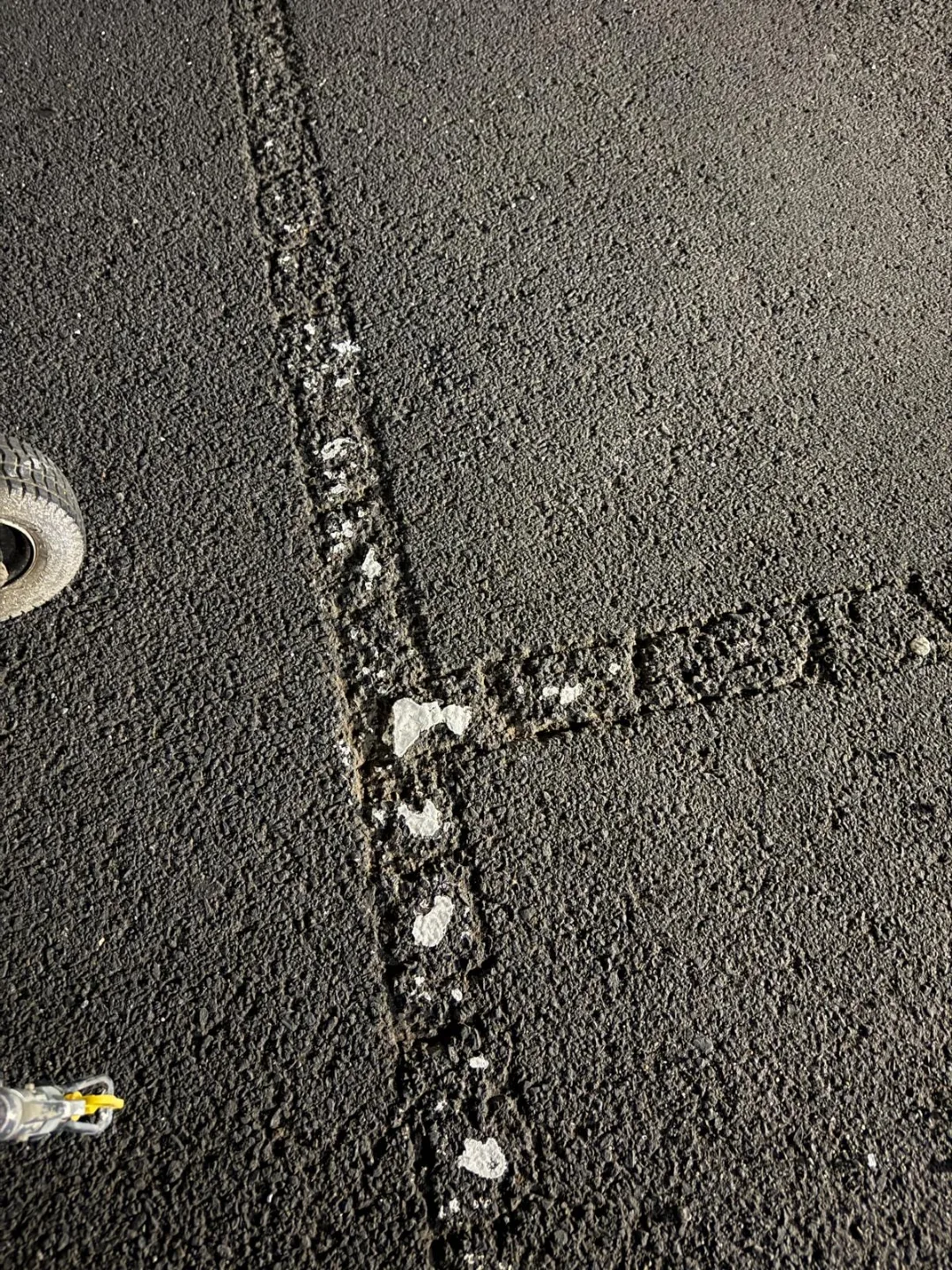
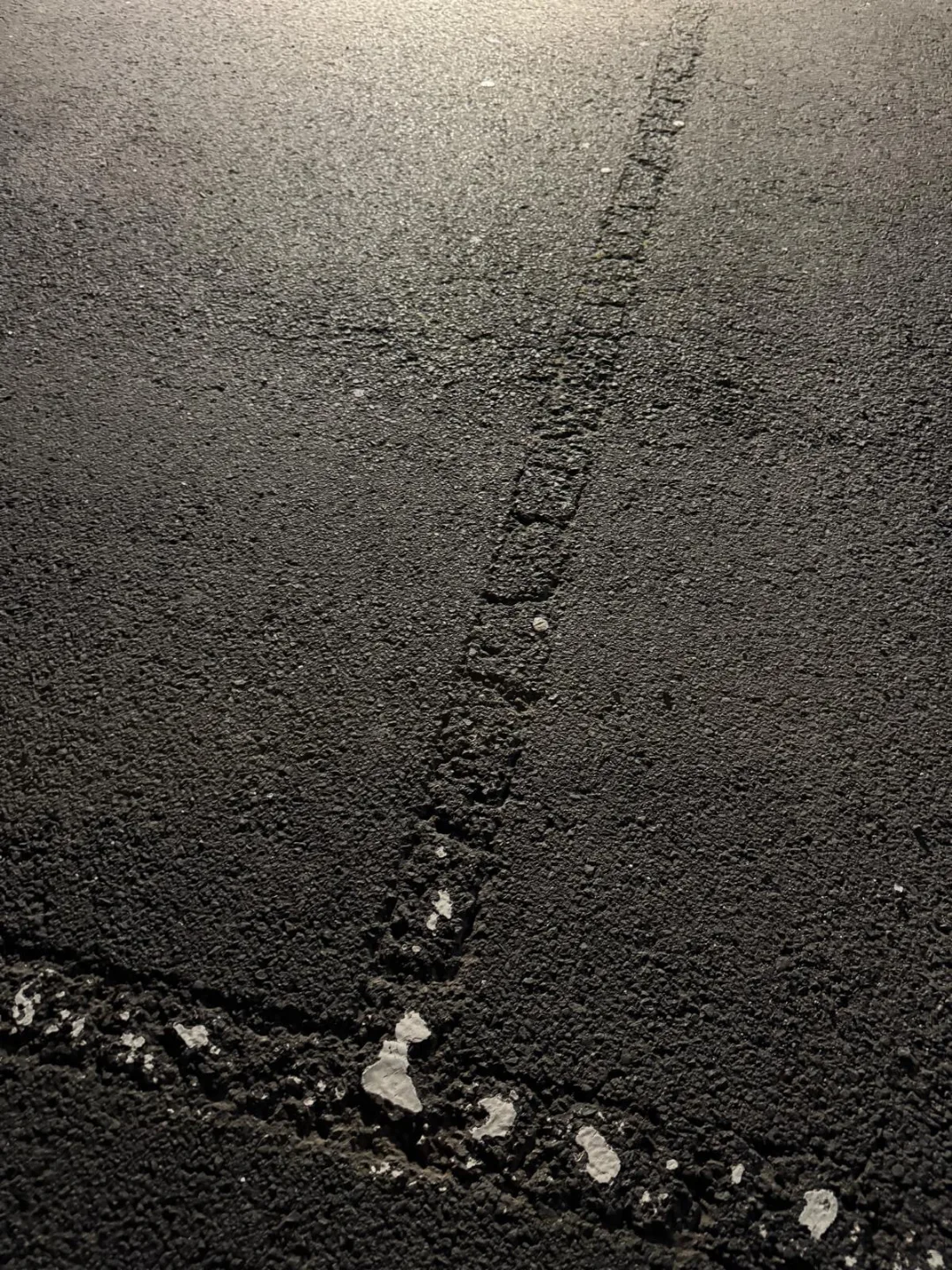
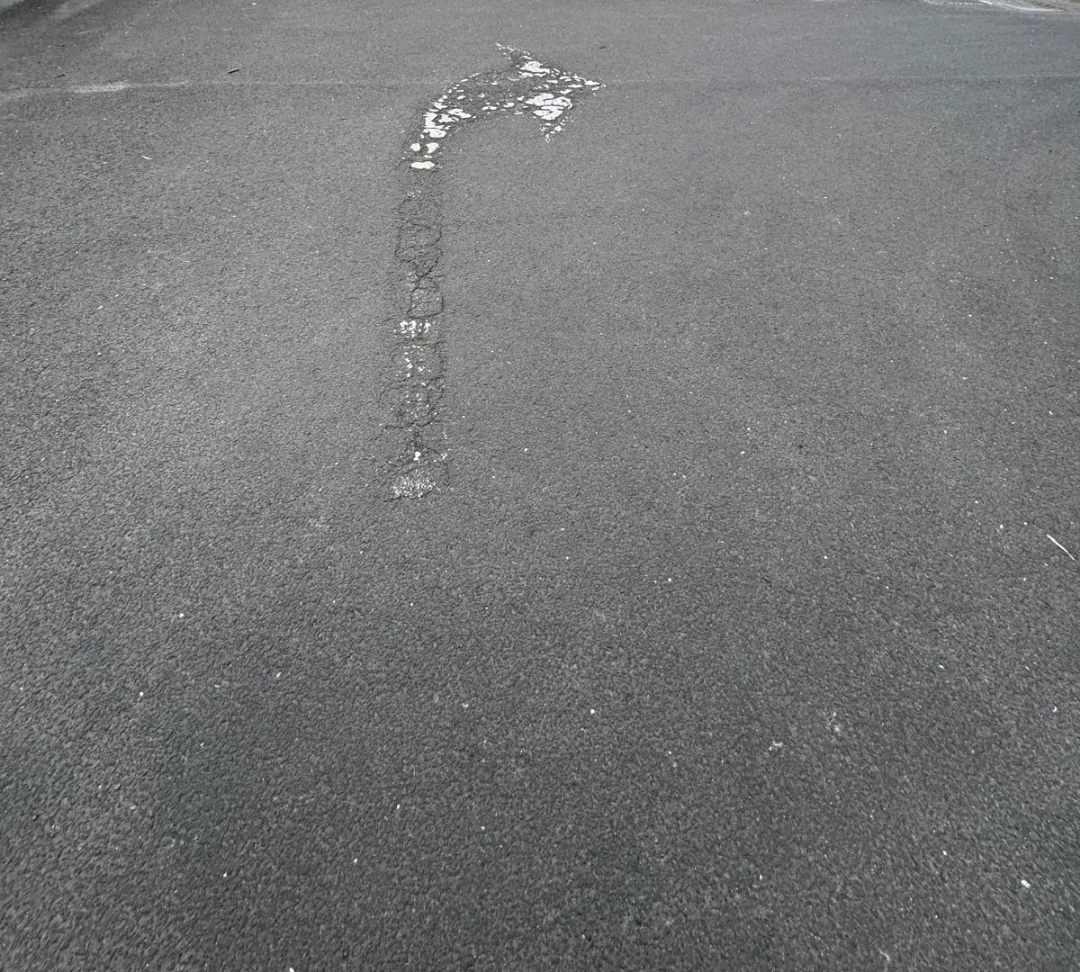
This does not mean that every thermoplastic installation damages asphalt. The potential risk depends on the pavement, the marking system and the removal method.
Why does this matter?
If a car park requires a new layout, obsolete lines need to be removed, or damaged markings must be replaced, the condition of the underlying asphalt should be considered before work begins.
Where suitable, a water-based line marking system may offer a simpler maintenance option because it avoids the need to remove a thick thermoplastic layer in future maintenance scenarios. The appropriate removal process should always be assessed for the specific site.
2. Looking Beyond the Initial Installation Cost
When comparing water-based paint with thermoplastic line marking, the cheapest initial quote does not necessarily represent the lowest long-term cost.
A more useful comparison considers the total maintenance cycle:
- Initial line marking installation.
- Routine inspections and touch-ups.
- The cost of removing or replacing worn markings.
- Any necessary asphalt repairs.
- Traffic management and disruption to the business during maintenance.
For example, a commercial property manager in Melbourne might compare a water-based line marking system that requires more frequent renewal with a longer-lasting thermoplastic system that may require more involved removal or surface treatment when the layout changes.
The most economical option depends on the actual installation costs, expected service life, traffic conditions and future maintenance requirements.
For suitable car parks, water-based line marking can be a sensible choice when flexibility, straightforward maintenance and control of future costs are priorities.
3. Water-Based Paint and Environmental Considerations
Environmental performance is another factor worth considering when selecting road marking materials.
Dulux identifies Roadmaster WB2 as a waterborne product with no solvent fumes and easy clean-up with water. Dulux also lists the product as non-flammable. These characteristics can be beneficial when considering application conditions and the handling of the product.
However, water-based does not automatically mean that a product has zero environmental impact. The full environmental comparison should consider the product’s safety data sheet, volatile organic compound content, application requirements, waste management and the frequency of future repainting.
Likewise, thermoplastic products should be assessed using their specific technical and environmental documentation rather than being classified as environmentally unfriendly as a whole.
For businesses seeking a practical and informed approach to sustainable maintenance, comparing the actual products and their full life-cycle requirements is the best starting point.
4. Is Water-Based Line Marking Better Than Thermoplastic?
There is no single answer for every road or car park. Both systems have applications where they perform well.
Water-based line marking may be particularly suitable for:
- Commercial car parks and retail centres.
- Warehouses and industrial facilities.
- Private roads and access areas.
- Properties that need flexible line marking maintenance.
- Sites where avoiding unnecessary mechanical removal of thick markings is a consideration.
Thermoplastic may be preferable where longer service life, marking thickness or specific performance requirements justify its use, including certain high-wear applications.
The decision should be based on the pavement surface, vehicle movements, expected wear, required visibility and applicable specifications.
For many property owners, the best solution is not simply the marking material that lasts the longest. It is the system that meets the site’s performance requirements while keeping installation, maintenance and pavement-related costs under control.
5. Why Choose Kontur Line Marking in Melbourne and Victoria?
Working with a line marking contractor who assesses the site first helps ensure that the marking system is matched to the site and its intended use.
Kontur Line Marking can help property owners and commercial managers consider the practical requirements of their line marking projects, including surface condition, layout, visibility and future maintenance.
Whether you are planning a new car park layout, refreshing faded parking bays or reviewing the condition of existing road markings, choosing the right material from the beginning can help you make a more informed investment.
If your existing thermoplastic markings are deteriorating or the surrounding asphalt appears damaged, an assessment of the surface and the previous removal or installation method can help identify the most appropriate next step.
Request a Line Marking Quote in Melbourne
Planning a car park repaint, warehouse line marking project or commercial pavement marking upgrade?
Contact Kontur Line Marking to discuss your project and determine which line marking system is appropriate for your property.
For commercial line marking in Melbourne and across Victoria, consider the whole life cycle of your markings—not just the initial installation price.
Contact Kontur Line Marking today to discuss your line marking requirements.
Sources
- Dulux Protective Coatings — Roadmaster WB2 product information: https://www.duluxprotectivecoatings.com.au/products/explore-product-ranges/roadmaster/roadmaster-wb2/ (opens in a new tab)
- VicRoads — Technical Note TN 112, Removal of Pavement Markings: https://www.vicroads.vic.gov.au/-/media/files/technical-documents-new/technical-notes/technical-note-tn-112-removal-of-pavement-markings-october-2020.ashx (opens in a new tab)
- Oregon Department of Transportation — Technical Advisory PAV25-01A, Pavement Repair for Pavement Marking Removal: https://www.oregon.gov/odot/Engineering/technical-guidance/Pages/PAV25-01A.aspx (opens in a new tab)
Service life, maintenance intervals and total costs vary according to the product, pavement condition, traffic volume, installation quality and maintenance method.
Related services: Re-marking existing layouts · Cleaning the surface first
A site visit and a written dimensional review cost nothing.
We measure the layout, report the dimensions in writing, and tell you where the marking has actually failed rather than where it merely looks tired. No obligation and no follow-up.
Request a quotation